Organisation · Kitchens
Five Organisation Mistakes That Make Small Kitchens Feel Chaotic
Fix three of these and your kitchen will feel different before you cook a single meal in it.
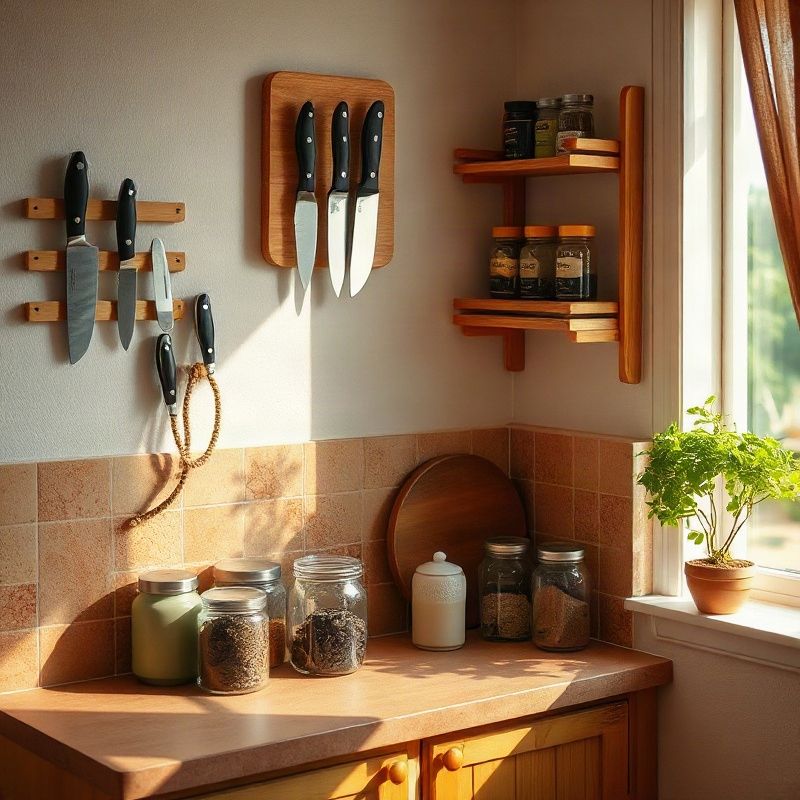
Small kitchens in Thika and across Kenya's urban rentals share a recurring set of problems — and most of them aren't about space. They're about storage logic that wasn't designed for how the kitchen is actually used. Mistake one: keeping everything on the counter. Counter space is prime real estate, and the moment it fills up, the whole kitchen feels full — even if every cupboard is half-empty. The rule is simple: if you don't use it daily, it doesn't live on the counter. Mistake two: storing things near where they look tidy rather than where they get used. Spices above the hob. Chopping board next to the knife block. Plates within one step of the table. Spatial logic is more important than visual symmetry. Mistake three: using deep shelves for small items. A deep shelf filled with small spice jars becomes a graveyard for the ones at the back. Tiered shelf inserts — available in Nairobi markets for under KSh 800 — solve this entirely. Mistake four: no vertical strategy. Walls and the inside of cupboard doors are free storage that most small kitchens ignore entirely. A magnetic knife strip, a door-mounted spice rack, or a rail with S-hooks above the hob can double usable storage without touching the floor plan. Mistake five: treating organisation as a one-time project. A kitchen stays organised when restoring order takes less than two minutes. If your system requires effort to maintain, it's not the right system for your habits. The before: a counter covered in appliances, jars, and yesterday's mail. The after: a cleared surface, a wall rail, tiered shelf inserts, and every item within one reach of where it's used. The kitchen didn't grow — it just started working the way kitchens are supposed to.